Introduction
Technology is transforming the way people live, work, and interact with their homes. Smart home automation, once considered a luxury reserved for high-end properties, is rapidly becoming a sought-after solution among homeowners, property developers, hotels, and businesses across Nigeria.
As the demand for convenience, security, energy efficiency, and remote control continues to grow, smart home automation presents a massive business opportunity for technicians, entrepreneurs, electricians, and technology enthusiasts.
In this guide, we will explore the smart home industry, available business opportunities, required skills, startup requirements, and how to build a profitable smart home automation business in Nigeria.
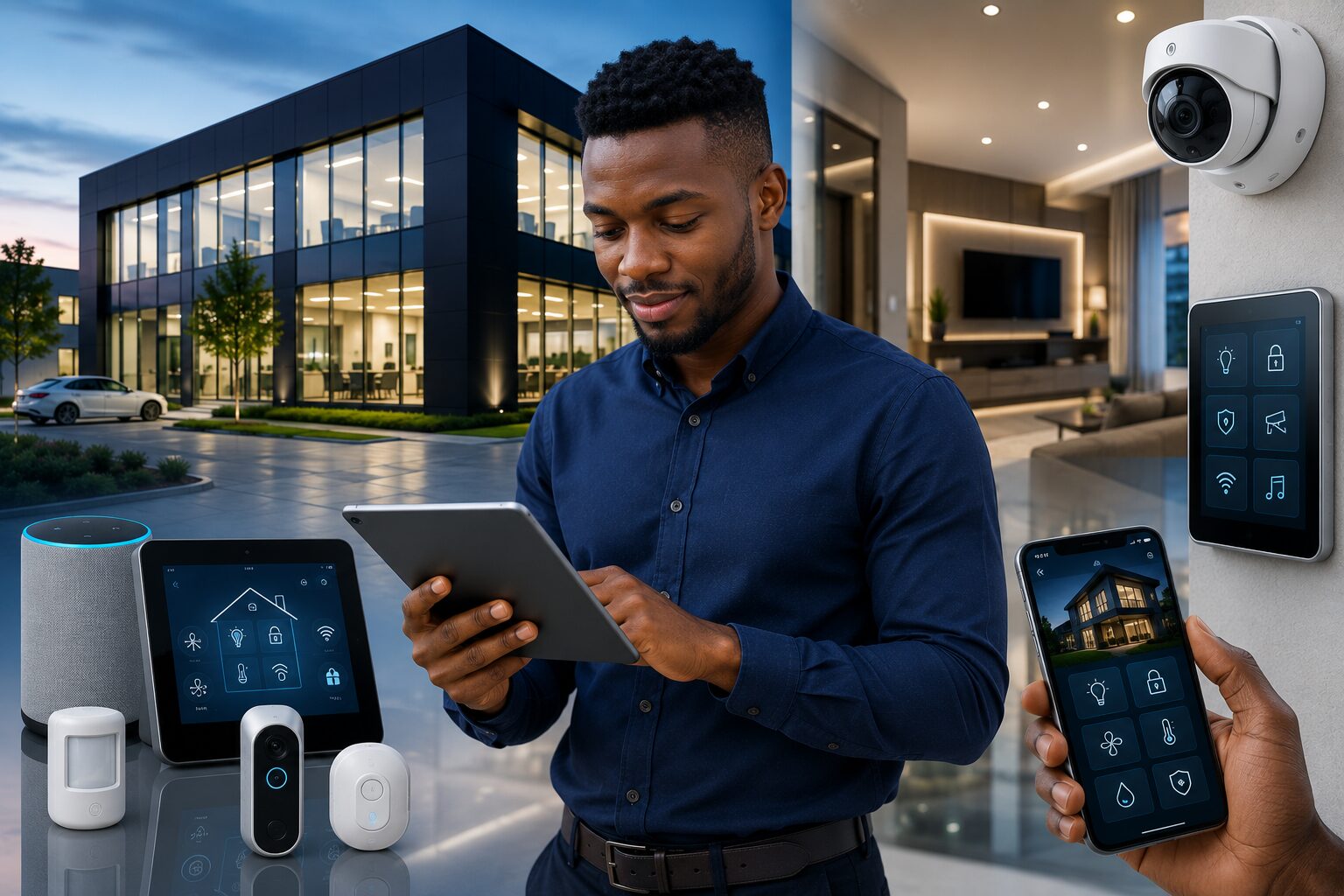
📷 Image 1: Modern luxury smart home with automated lighting, security, and climate control systems.
What Is Smart Home Automation?
Smart home automation refers to the integration of intelligent devices that allow users to monitor and control various aspects of their homes remotely using smartphones, tablets, voice assistants, or centralized control systems.
Common smart home systems include:
- Smart Lighting
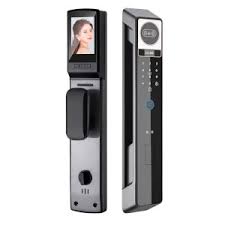
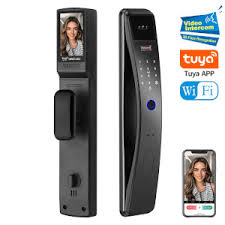
- Smart Door Locks
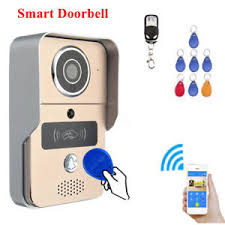
- Video Doorbells
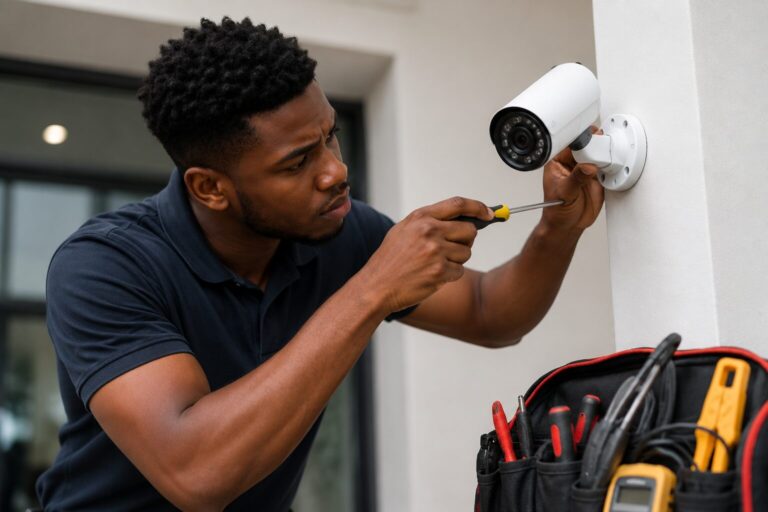
- CCTV Surveillance
- Smart Curtains and Blinds
- Smart Switches
- Smart Sensors
- Smart Air Conditioning Control
- Smart Audio Systems
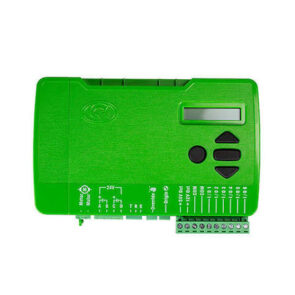
- Automated Gates
- Energy Monitoring Systems
📷 Image 2: Smartphone controlling multiple smart home devices from a single application.
Why Smart Home Automation Is Growing in Nigeria
Several factors are driving the growth of smart homes across Nigeria.
Increased Security Concerns
Homeowners want better control and visibility of their properties.
Rising Demand for Convenience
People prefer controlling lights, gates, appliances, and security systems from their phones.
Growth in Real Estate Development
Modern estates and luxury properties increasingly demand smart home features.
Improved Internet Connectivity
The expansion of internet services has made remote monitoring and automation more practical.
📷 Image 3: Luxury residential estate featuring smart home technology and automated security systems.
Business Opportunities in Smart Home Automation
The industry offers multiple income streams.
1. Smart Home Installation Services
Install and configure:
- Smart switches
- Smart sockets
- Smart lighting
- Smart door locks
- Smart curtains
This is often the easiest entry point for new entrepreneurs.
📷 Image 4: Technician installing a smart switch inside a residential property.
2. Smart Security Systems
Combine smart home technology with security solutions such as:
- CCTV cameras
- Access control systems
- Smart alarms
- Video intercoms
- Motion detectors
Security remains one of the strongest drivers of smart home adoption.
📷 Image 5: Smart security dashboard displaying CCTV feeds and alarm notifications.
3. Automated Gate Installation
Many homeowners now want to operate their gates remotely.
Services include:
- Sliding gate automation
- Swing gate automation
- Smartphone-controlled gates
- Remote access systems
📷 Image 6: Automated residential gate controlled through a mobile application.
4. Smart Lighting Solutions
Smart lighting allows users to:
- Schedule lights
- Control brightness
- Save energy
- Create scenes and moods
Businesses, hotels, and homes increasingly adopt these solutions.
📷 Image 7: Smart LED lighting system changing colors through a smartphone app.
5. Home Automation Product Sales
Generate income by selling:
- Smart switches
- Smart plugs
- Smart sensors
- Smart locks
- Smart cameras
- Home automation hubs
You can earn profits from both product sales and installation services.
📷 Image 8: Collection of smart home products displayed for sale.
6. Maintenance and Support Services
Many installations require ongoing support.
Examples include:
- Software updates
- Device replacement
- Troubleshooting
- System upgrades
Maintenance contracts create recurring revenue.
📷 Image 9: Technician troubleshooting a smart home control system.
Skills You Need to Start
To succeed in the smart home industry, you should learn:
Electrical Installation Basics
Understanding power distribution and wiring.
Networking Fundamentals
Knowledge of:
- Routers
- Switches
- Wi-Fi systems
- IP addressing
Smart Home Platforms
Examples include:
- Tuya Smart
- Smart Life
- Google Home
- Amazon Alexa
Security Systems
Knowledge of CCTV and access control systems provides a major advantage.
📷 Image 10: Smart home training classroom with practical automation devices.
How Much Can You Earn?
Income depends on your skills, experience, and project size.
Potential income sources include:
- Installation fees
- Product sales
- Maintenance contracts
- Consultation services
- Training services
A single residential project can generate substantial revenue, especially when multiple automation systems are integrated.
📷 Image 11: Smart home installation project inside a luxury residential property.
How to Get Your First Clients
Leverage Social Media
Share:
- Installation videos
- Before-and-after projects
- Product demonstrations
- Customer testimonials
Partner with Real Estate Developers
Developers often require smart home solutions for modern estates.
Work with Interior Designers
Many luxury interior projects now include automation systems.
Offer Demonstrations
People buy what they can see. Demonstrating smart home functionality can significantly increase sales.
📷 Image 12: Entrepreneur presenting a smart home demonstration to prospective clients.
Common Challenges and Solutions
Challenge: Customer Awareness
Many people don’t fully understand smart home technology.
Solution: Focus on education and demonstrations.
Challenge: Competition
The market is becoming more competitive.
Solution: Develop advanced technical skills and offer excellent customer service.
Challenge: Technical Complexity
Some systems require networking and integration expertise.
Solution: Invest in continuous training.
📷 Image 13: Smart home engineer configuring a complete automation system.
Why Now Is the Best Time to Enter the Industry
Nigeria’s smart home market is still developing, creating significant opportunities for early adopters.
Demand continues to grow because:
- More homes are being built
- Security concerns are increasing
- Technology costs are becoming more affordable
- Customers want convenience and automation
Professionals who develop smart home skills today can position themselves as industry leaders tomorrow.
📷 Image 14: Modern smart home controlled through voice commands and mobile applications.
Conclusion
Smart home automation is no longer the future—it is the present. As Nigerian homeowners and businesses embrace technology, the demand for smart home solutions continues to rise.
For technicians, entrepreneurs, electricians, and security professionals, this industry offers exciting opportunities for business growth and financial success. By learning the right skills, investing in quality products, and delivering professional installations, you can build a thriving smart home automation business and become part of one of Nigeria’s fastest-growing technology sectors.
📷 Image 15: Successful smart home entrepreneur standing inside a fully automated modern home.