
Introduction
Security technology is one of the fastest-growing industries in Nigeria and across the world. From CCTV surveillance systems to access control, electric fencing, and smart home automation, the demand for skilled professionals continues to rise every year.
The good news is that you don’t need a university degree or huge capital to start. With the right guidance, hands-on training, and consistent practice, anyone can build a successful career in security technology.
This guide will show you exactly how to start from zero and grow into a professional security technician or business owner.
📷 Image 1: Beginner technician learning CCTV installation in a practical training environment.
1. Understand What Security Technology Really Means
Security technology involves systems and tools used to protect people, property, and information.
Key Areas Include:
- CCTV surveillance systems
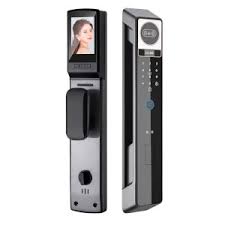
- Access control systems (biometrics, cards, PIN)
- Electric fence systems
- Fire alarm systems
- Smart home automation systems
- Intruder alarm systems
📷 Image 2: Overview of modern security systems installed in a residential building.
2. Choose a Starting Point (Don’t Learn Everything at Once)
Beginners often make the mistake of trying to learn everything at once.
Best Starting Options:
- CCTV installation (most recommended)
- Access control systems
- Basic networking for security systems
Start with one core skill and expand later.
📷 Image 3: Focused training session on CCTV installation basics.
3. Get Proper Hands-On Training
Security technology is a practical field—you must practice.
Good training should include:
- Real equipment usage
- Live installation practice
- Troubleshooting exercises
- Field experience
The more practical your training, the faster your growth.
📷 Image 4: Students practicing CCTV installation with real tools and equipment.
4. Learn the Basic Tools of the Trade
Every technician needs essential tools to work professionally.
Basic Tools Include:
- Drill machine
- Screwdrivers set
- Cable tester
- Crimping tool
- Multimeter
- Ladder
- Network tools (RJ45 crimper, tester)
📷 Image 5: Organized toolbox for CCTV and security installation work.
5. Understand How CCTV Systems Work
CCTV is the foundation of most security systems.
Key Components:
- Cameras (IP and analog)
- DVR/NVR recording devices
- Hard disk storage
- Power supply units
- Cables and connectors
📷 Image 6: Diagram of a complete CCTV system setup.
6. Learn Basic Networking Skills
Modern security systems rely heavily on networks.
Important concepts:
- IP addressing
- Router configuration
- Remote viewing setup
- Internet connectivity for CCTV systems
📷 Image 7: Technician configuring network settings for a CCTV system.
7. Start Practicing on Small Projects
Experience builds confidence and skill.
Beginner Projects:
- Small home CCTV setups
- Single-shop installations
- Basic access control systems
Start small and grow gradually.
📷 Image 8: Technician installing CCTV cameras in a small retail shop.
8. Build a Portfolio of Your Work
Your portfolio is your proof of skill.
What to include:
- Project photos and videos
- Before-and-after installations
- Client feedback
- System demonstrations
📷 Image 9: Digital portfolio showing completed security installation projects.
9. Learn How to Get Your First Clients
No business grows without clients.
Ways to get clients:
- Friends and family referrals
- Local businesses
- Estate communities
- Online platforms (Facebook, WhatsApp, Instagram)
📷 Image 10: Technician discussing a project with a client at a site location.
10. Start Building Your Personal Brand
People buy from those they trust.
Branding steps:
- Create a business name
- Open social media pages
- Post your work regularly
- Use WhatsApp Business profile
📷 Image 11: Social media page showcasing CCTV installation services.
11. Learn Basic Pricing and Business Skills
To succeed, you must understand how to run a business.
Key business skills:
- Cost estimation
- Pricing services correctly
- Customer communication
- Time management
📷 Image 12: Technician calculating project cost and preparing quotation.
12. Expand Into More Advanced Skills
Once you are confident, expand your services.
Advanced areas:
- Access control systems
- Electric fencing
- Smart home automation
- Intercom systems
- Solar-powered security systems
📷 Image 13: Integrated smart security system combining multiple technologies.
13. Common Mistakes Beginners Should Avoid
- Skipping practical training
- Using poor-quality equipment
- Underpricing services
- Not documenting work
- Ignoring marketing
📷 Image 14: Comparison between amateur and professional security installation work.
14. Career Opportunities in Security Technology
Once skilled, you can work in different directions:
Career paths:
- Security system technician
- Freelance installer
- Business owner
- Corporate security consultant
- Technical trainer
📷 Image 15: Professional technician managing multiple security installation projects.
Conclusion
Starting a career in security technology is one of the smartest decisions you can make today. The industry is growing, the demand is high, and the opportunities are endless.
You don’t need to start big—you just need to start right. Focus on learning one skill, practice consistently, build your portfolio, and market yourself effectively.
With time and dedication, you can grow from a complete beginner into a successful technician or business owner in the security technology industry.
The future belongs to skilled professionals—and that future can start with you today.